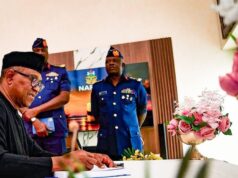

FRI AUG 28 2026-theGBJournal| President Bola Tinubu on Thursday ordered a comprehensive reform of Nigerian football following a string of failures by the country’s flagship national teams to qualify for major tournaments, as pressure mounts for fundamental changes to the way the sport is governed and developed.
The intervention comes against the backdrop of growing concerns over the state of Nigerian football and the resignation of the Nigeria Football Federation (NFF) management team in the wake of the national teams’ failures.
For a country whose football teams have historically been among the strongest in Africa, the recent setbacks have intensified scrutiny of the administration of the sport, its development pathways, domestic competitions and the structures responsible for converting Nigeria’s deep pool of talent into sustained international success.
“The reform must respond to a longstanding need to strengthen governance, administration, stakeholder representation, development pathways, domestic competitions and accountability across Nigerian football,” the President said.
Tinubu said the problems confronting Nigerian football were structural rather than simply the result of individual performances on the pitch.
The President noted that while other sports had recorded meaningful progress since the reset of the sports sector under the re-established National Sports Commission, football has continued to struggle because of structural weaknesses within the system.
“Football, Nigeria’s most popular sport and the greatest beneficiary of public support, investment and national attention, has continued to struggle basically due to structural deficits within the system,” Tinubu said.
The President’s comments place the latest qualification failures within a broader debate about how Nigerian football is managed, funded and developed.
Nigeria has long produced elite players who have gone on to successful careers in leading leagues around the world.
Yet the country’s national teams have increasingly struggled to translate that individual talent into consistent results, raising questions about administration, coaching, grassroots development, player pathways and the organisation of domestic football.
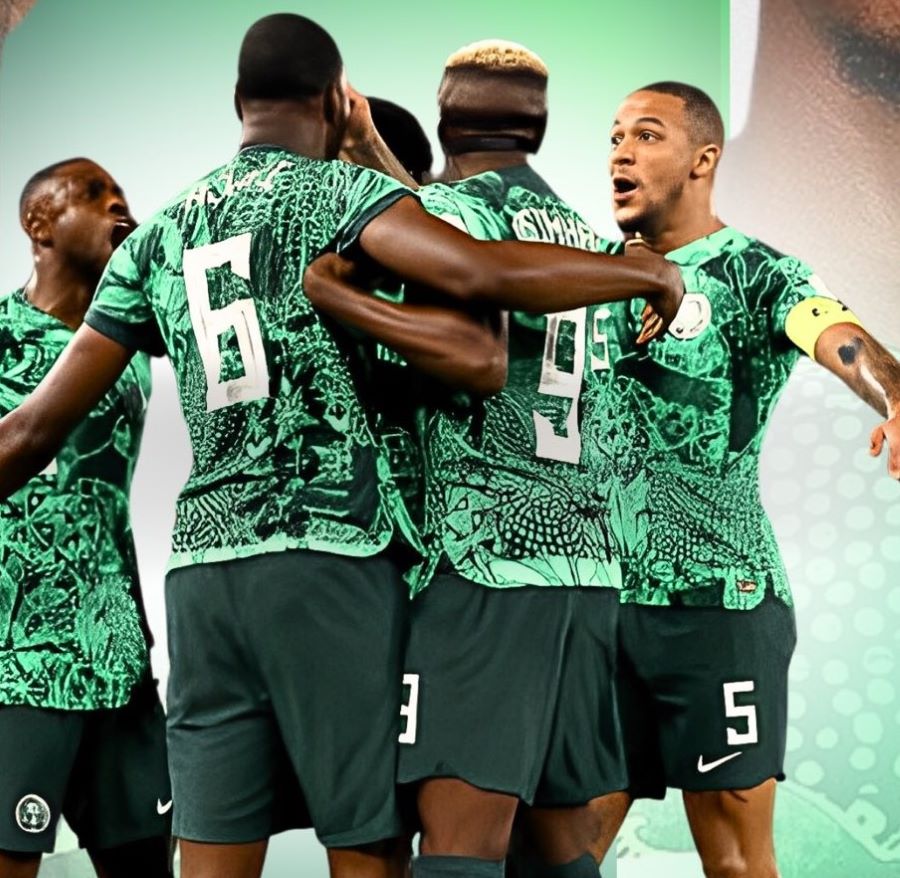
The recent difficulties involving both the Super Eagles and Super Falcons have made the situation particularly difficult to ignore.
The failures have also heightened public frustration because of the enormous popularity of football in Nigeria and the significant public attention and resources devoted to the sport.
Tinubu stressed that Nigerian football must begin to match the country’s exceptional talent, passion and resources with stronger institutions and sustained performance.
President Tinubu also directed the Chairman of the National Sports Commission to work with the NFF Secretariat and relevant football stakeholders to ensure continuity in essential football administration and facilitate a broad, consultative reform process.
The directive suggests that the administration wants the reform process to extend beyond simply replacing individuals at the top of the football federation.
The focus will instead include the structures through which football is governed and developed, from stakeholder representation and accountability to domestic competitions and the pathways through which young players progress into professional and international football.
The process will include appropriate engagement with FIFA and CAF while safeguarding Nigeria’s obligations within the international football framework.
That engagement will be important because Nigeria’s football administration operates within a global system governed by FIFA rules, while its continental competitions and relationships fall under the Confederation of African Football.
The challenge for the reform process will therefore be to strengthen accountability and domestic governance without creating conflict with the independence and obligations of Nigeria’s football federation under the international football system.
The President equally called on football stakeholders and Nigerians to support the transition and work together to build a stronger, more accountable and successful football system.
The significance of the directive extends beyond the latest tournament qualification failures.
For Nigerian football, the reform presents an opportunity to address longstanding weaknesses that have persisted despite the country’s enormous footballing talent and passionate fan base.
The immediate priority will be to maintain the administration of essential football activities following the resignation of the NFF management team while creating the framework for a broader review of the sport.
But the more difficult task will be turning reform language into measurable change — better governance, stronger domestic competitions, credible development pathways, greater accountability and, ultimately, national teams capable of consistently competing for and qualifying for the biggest tournaments.
For a football-mad country accustomed to seeing its national teams on the biggest stages, the President’s intervention marks a recognition that Nigeria’s problem may no longer be a shortage of talent, but whether its football institutions are capable of making the most of it.
Additional Reporting by Azuka Christopher, London
X-@theGBJournal|email:gbj@govbusinessjournal.com|govandbusinessj@gmail.com