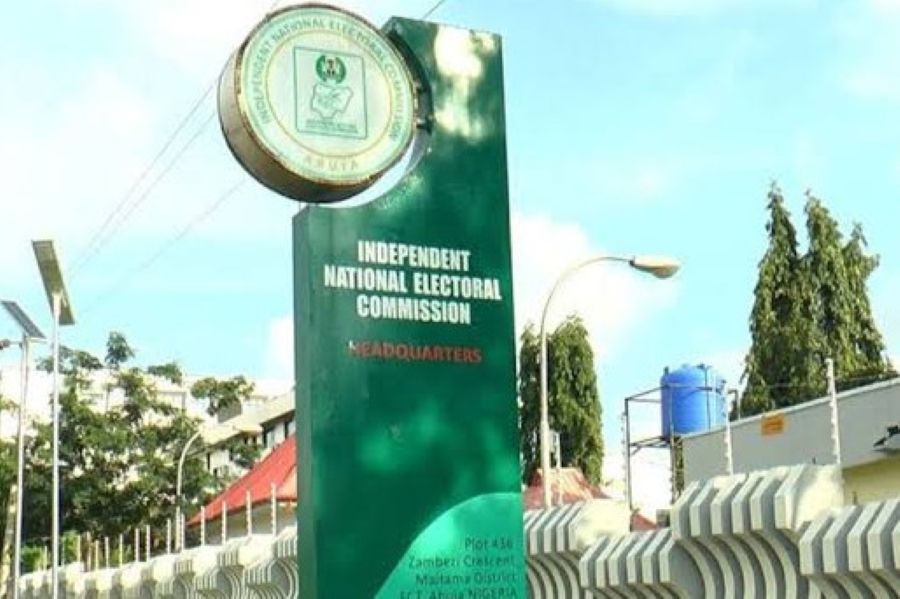

SUN AUG 23 2026-theGBJournal| The Socio-Economic Rights and Accountability Project (SERAP) has urged the Chairman of the Independent National Electoral Commission (INEC), Professor Joash Amupitan, to urgently disclose whether the electoral body has exercised its statutory powers to prescribe limits on political contributions under Section 91 of the Electoral Act 2026.
SERAP in a release today, said that, if such limits have been prescribed, INEC should immediately publish them and ensure they are widely communicated to political parties, candidates, donors and the Nigerian public.
The call comes as political parties and prospective candidates intensify preparations for the 2027 elections, with concerns mounting over the growing influence of money in Nigeria’s electoral politics.
SERAP also asked INEC to disclose the systems, personnel and procedures it has established to monitor, investigate and enforce compliance with statutory limits on political contributions and campaign expenditure throughout the ongoing electoral process.
The organisation further wants the commission to explain how it intends to track political financing, including cash and in-kind donations, digital and social-media fundraising, third-party campaign spending and contributions channelled through intermediaries that could be used to circumvent legal limits.
According to SERAP, greater transparency over political financing is critical to ensuring that the 2027 elections are conducted on a level playing field and that voters can make political choices free from undue financial influence.
It argued that INEC’s constitutional responsibility extends beyond receiving financial statements from political parties.
“The Constitution requires the Commission to examine political-party finances, conduct necessary investigations and report to the National Assembly,” SERAP said, urging INEC to publish the relevant reports so Nigerians can assess whether the commission has effectively discharged those responsibilities.
SERAP said voters, journalists and civil-society organisations would struggle to scrutinise political financing if contribution and expenditure limits were not readily accessible or if there was no publicly known mechanism for tracking compliance.
The advocacy group warned that the increasing monetisation of Nigerian elections, combined with the potential misuse of state institutions, poses a serious threat to democratic integrity and fair electoral competition.
The intervention places renewed focus on one of the most difficult challenges facing Nigeria’s electoral system: how to prevent political wealth from translating into disproportionate electoral influence.
“The information requested would enable citizens to identify excessive, undisclosed or potentially illicit political financing before it can distort electoral competition, rather than only after votes have been cast.”
“Effective political-finance regulation is an important safeguard for constitutional democracy, equality of political participation, freedom of expression and association, electoral integrity and citizens’ meaningful participation in public affairs,” SERAP said.
According to SERAP, Nigeria has a persistent problem of political parties failing to disclose campaign contributions.
”Such non-compliance has been described as systemic, while the absence of clear and effective sanctions for default has weakened INEC’s ability to enforce compliance.”
Key Demands
-Disclose and publish any political contribution limits prescribed under section 91 of the Electoral Act, 2026;
-Disclose the latest political parties’ detailed statements on their assets and liabilities and of their sources of funds and other assets and expenditure submitted to INEC;
-Publish the latest political parties’ financial records, including annual statements, audited accounts and election expenditure returns for 2023–2025;
-Publish its section 225 and 226 examination and audit reports, including annual reports submitted to the National Assembly for 2023–2025;
-Disclose any enforcement actions arising from political-finance and expenditure violations;
-Disclose its 2027 political-finance monitoring plan, including arrangements for real-time or near-real-time monitoring and cooperation with relevant anti-corruption, financial-intelligence, regulatory and law-enforcement agencies; and
-Disclose the political parties that submitted their reports of contributions received following the 2023 General Elections, the dates of submission, and the action taken against parties that failed to submit the reports within the statutory deadline, including the reported non-compliance by the majority of the parties that sponsored candidates
With the 2027 political contest already taking shape, SERAP’s demand is likely to intensify scrutiny of INEC’s preparedness to police campaign finance and ensure that wealthy candidates, parties and political networks do not gain an unfair advantage over competitors with fewer financial resources.
X-@theGBJournal|email:gbj@govbusinessjournal.com|govandbusinessj@gmail.com