
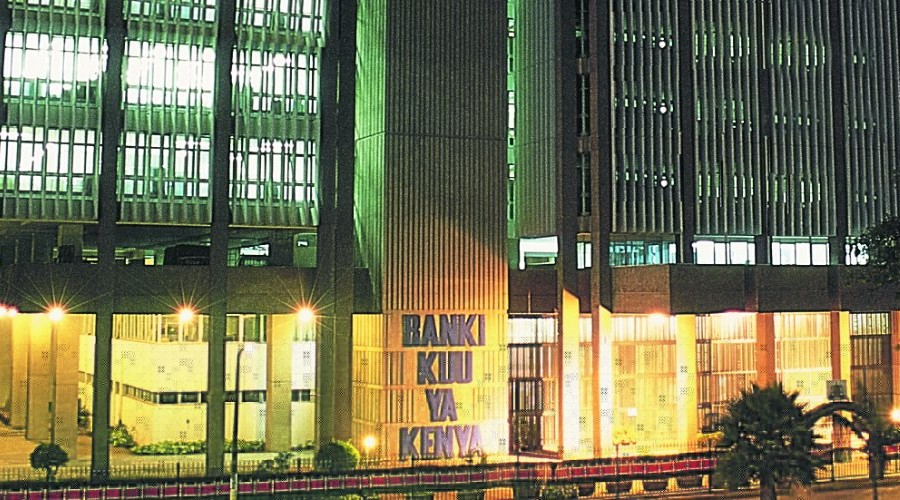

WED SEPT 30 2026-theGBJournal| Kenya’s central bank has licensed 29 more digital credit providers, taking the number of regulated lenders to 281, as authorities tighten oversight of a rapidly expanding online lending market that has faced scrutiny over high costs, aggressive debt collection and abuse of borrowers’ personal information.
The Central Bank of Kenya (CBK) said on Wednesday the latest licences brought the total number of licensed Digital Credit Providers (DCPs) to 281, following the licensing of 25 providers announced in July.
The numbers illustrate the scale of the market now being brought under regulatory oversight. Licensed digital lenders had granted 9,596,509 loans worth 165.1 billion Kenyan shillings ($1.28 billion) as of August 2026, according to the central bank.
The CBK said it had received more than 900 applications since March 2022 and had worked with applicants to review their business models, consumer protection arrangements and the “fitness and propriety” of proposed shareholders, directors and management.
The regulator said the process was aimed at ensuring compliance with the law and, importantly, safeguarding customers’ interests.
Digital credit providers predominantly operate through digital channels, including Unstructured Supplementary Service Data (USSD) codes, offering products ranging from education and development loans to short-term personal credit, asset financing and business loans.
But behind the rapid expansion of digital credit lies the reason for the regulatory push.
The CBK said licensing and oversight had been “precipitated by concerns raised by the public about the predatory practices of the unregulated DCPs”, particularly their “high cost, unethical debt collection practices, and the abuse of personal information.”
That makes the licensing drive more than a routine expansion of Kenya’s financial-services register.
It represents an attempt to impose formal consumer-protection rules on a lending industry whose growth has been driven by the convenience of mobile and digital borrowing.
The central bank said other applicants remain at different stages of the licensing process, with many awaiting submission of requisite documentation. It urged them to provide the outstanding information “expeditiously” so that their applications could be reviewed.
The CBK also called on the public to report unregulated digital credit providers, reflecting its continuing effort to distinguish licensed lenders from operators outside the regulatory framework.
The latest licensing round therefore leaves a sizeable pipeline still under review, while the 281 licensed providers already represent a substantial formalisation of Kenya’s digital lending landscape.
The central bank’s challenge is now shifting from licensing the industry to maintaining effective oversight as millions of digital loans continue to flow through the market—and ensuring that the protections that prompted the crackdown reach the borrowers behind those numbers.
X-@theGBJournal|email:gbj@govbusinessjournal.com|govandbusinessj@gmail.com