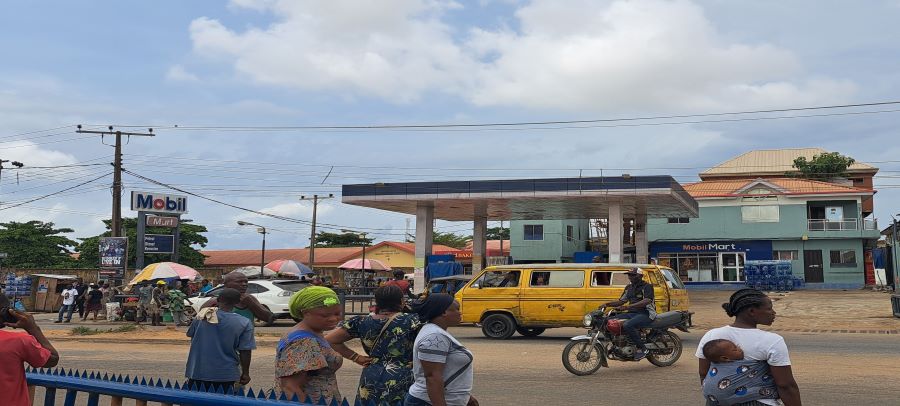

MON SEPT 14 2026-theGBJournal| As debate over petrol subsidies intensifies among presidential contenders ahead of Nigeria’s 2027 general election, the Centre for the Promotion of Private Enterprise (CPPE) has called for a look beyond the question of restoring subsidies and focus instead on reducing the economic burden created by higher fuel prices.
The CPPE said the latest increase in petrol prices had created significant cost-of-living, inflation and competitiveness pressures, requiring urgent policy intervention.
But it cautioned against a return to Nigeria’s former universal petrol subsidy regime, arguing that such a policy would place renewed pressure on public finances without addressing the underlying structural weaknesses in the economy.
Rather than reversing the downstream petroleum reforms, the CPPE said government should retain the reforms while deploying targeted measures to cushion households, businesses and vulnerable groups from their impact.
Its priorities include affordable public transportation, more reliable electricity, increased domestic food production, targeted social protection, healthcare and education, alongside stronger support for productive enterprises.
The group also said the fiscal gains from subsidy removal must become more visible to Nigerians through increased investment in infrastructure, public services and productive sectors.
“Transparency and accountability” in the use of the additional revenues accruing to the federal, state and local governments would be critical, the CPPE said, particularly as politicians debate the future of the reform ahead of the 2027 election.
The organisation argued that the subsidy debate had become too narrowly focused on whether petrol subsidies should be restored.
The broader question, it said, should be how Nigeria can use the reforms to achieve lower structural costs, stronger domestic production, improved competitiveness and greater energy security, while delivering measurable improvements in household welfare.
That, the CPPE said, would be essential to making the petroleum-sector reforms economically sustainable and socially defensible.
The position comes as the fuel subsidy question is expected to remain a major issue in the 2027 presidential contest, with competing political camps likely to differ over whether the current reform should be maintained, modified or reversed.
X-@theGBJournal|email:gbj@govbusinessjournal.com|govandbusinessj@gmail.com