
…These conversations have been interesting to watch, leading me to a broader question: what makes people willing to hand over their hard-earned money to a business today in the expectation that it will create value for them tomorrow?
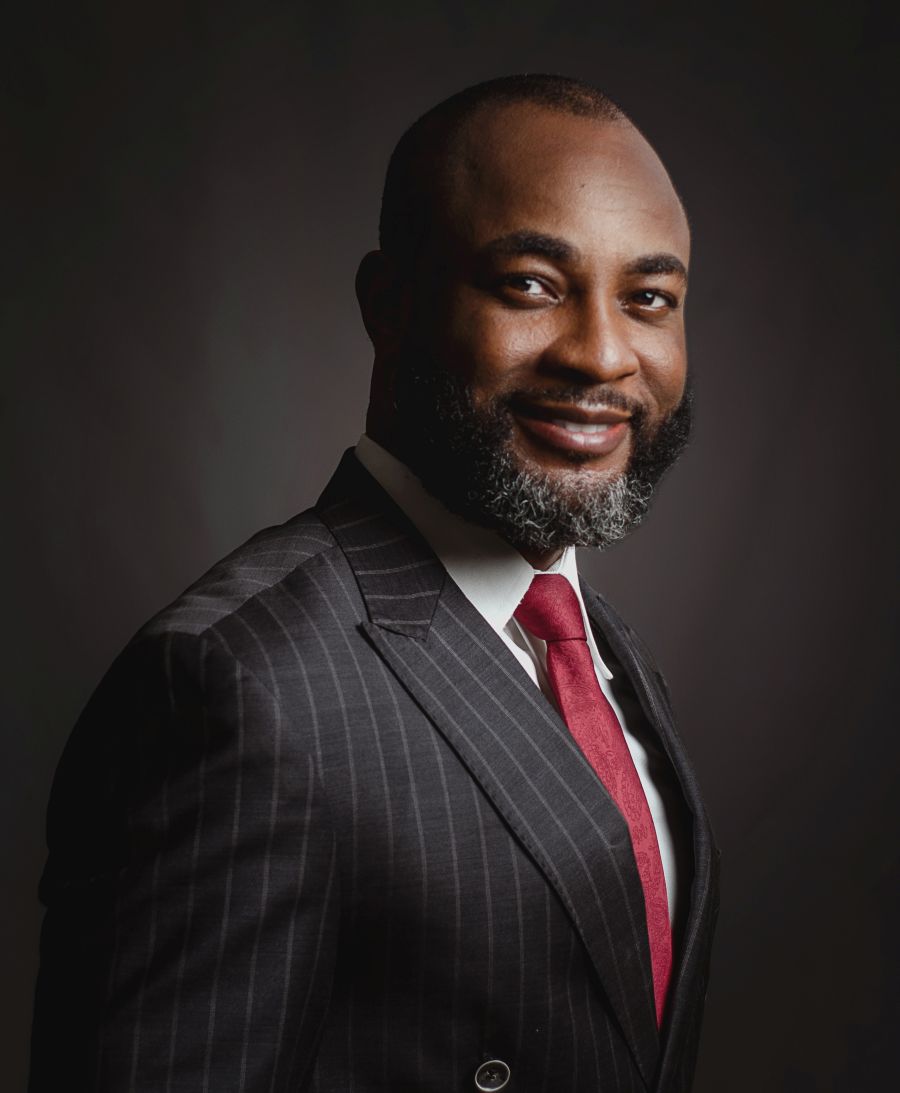
By Tony Usidamen
TUE SEPT 22 2026-theGBJournal| Unless you have been deliberately avoiding the news lately, chances are that you have heard something about the Dangote Refinery Initial Public Offering (IPO). It is difficult not to.
Open your email or banking app and you are likely to find an invitation to subscribe.
Take a leisurely scroll through social media and you will be hit with a barrage of posts on the subject, with some content creators even making funny videos calling board meetings and demanding explanations from Aliko Dangote about how “our refinery” is being run, after buying a few shares.
The posts may be light-hearted, but the interest is real.
Dangote Petroleum Refinery is seeking to raise about N2.15 trillion from the public through the sale of 4.1 billion shares at N525 each. With a minimum subscription of just 10 shares, or N5,250, the offer has opened the door to retail investors on an unusually broad scale. Some digital investment platforms reportedly struggled with the volume of traffic from prospective subscribers.
Understandably, there have been debates about whether the shares represent good value, including comparisons with more established stocks with longer histories of paying dividends. There have also been commentaries about Dangote himself, his record as an industrialist and the ambition behind the refinery.
These conversations have been interesting to watch, leading me to a broader question: what makes people willing to hand over their hard-earned money to a business today in the expectation that it will create value for them tomorrow?
Think about it: every organisation makes a promise. A bank promises that your money will be safe and accessible; a telecommunications company promises connectivity; a hospital promises competent care. Even outside business, governments, NGOs, religious organisations and other institutions make promises, explicit or implied.
The answer, at its simplest, is trust. Every time a customer buys, an investor invests, an employee accepts a job, a supplier extends credit or a partner signs an agreement, somebody is effectively saying: I trust you to keep your promise. Building that trust is difficult.
Maintaining it is harder still, especially when things go wrong. This is where the difference between being successful and having staying power begins to matter.
And things do go wrong, often in ways nobody anticipated. Some crises arise internally, while others come from outside.
A defective product can erode customer confidence; an industrial accident can put lives and reputation at risk; an allegation against a senior executive can engulf an entire organisation; a cyberattack can disrupt operations; and a regulatory decision can alter the economics of a business.
Each, in its own way, can put an organisation’s promise to the test. No leader can predict every eventuality. The more important concern is whether the organisation has developed the capacity to respond effectively when the unexpected happens.
Yet organisations tend to prepare far better for the future they want than for the one they do not. Think of the management time devoted to budgets, revenue targets, expansion plans, product launches, market-entry strategies and five-year growth plans.
None of this is wrong; it is essential. The Dangote Refinery IPO itself is ultimately about the future.
Investors are being asked to look beyond what the refinery is today and make a judgement about what it could become tomorrow. But if organisations devote so much attention to the future they want, how much attention do they devote to the events that could prevent them from reaching it?
Preparing for crisis is not pessimism, nor does it mean expecting disaster around every corner. It is an acknowledgement that building for the future must also include preparing for the disruptions that could threaten it. When everything is going well, communication is relatively easy.
The real test comes when an organisation is under pressure and management itself may not yet have all the facts. It is then that organisations discover that many of the capabilities required in a crisis cannot be created after the crisis has begun.
This is also where those light-hearted references to “our refinery” take on a more serious meaning. People who put their money into a business acquire a stake in its future, however small, and with that stake come expectations.
But the principle extends far beyond listed companies or investors. Customers expect organisations to deliver value; employees expect fair compensation and working conditions; suppliers expect their obligations to be honoured; and communities expect responsible conduct. When something goes wrong, they want to know the facts, what is being done and the next steps.
That is what happens when a promise is tested: people stop relying on what they were told and start watching what the organisation does.
This is why crisis communication begins before the crisis. Organisations do not discover their stakeholders for the first time when trouble comes; the relationships, credibility and capabilities they will draw upon under pressure are largely built in calmer times.
There are some basic questions worth asking before an organisation finds itself in the full glare of public scrutiny. Do we have a tested system in place for responding to a crisis? Do people know what they are expected to do?
Can we establish the facts quickly? Can we make decisions and communicate in time? And, perhaps most importantly, will we be believed? The last question cannot be answered on the day something goes wrong. Credibility is built over time.
Trust ultimately rests on what an organisation does, reinforced by what it says. That is why crisis preparedness cannot belong to Communications alone. Other functions will have responsibilities depending on the circumstances, while major decisions rest with leadership.
For boards and executives, therefore, preparedness should be seen as part of stewardship. Leadership is not only about creating value when circumstances are favourable; it is also about protecting the organisation’s capacity to continue creating value when circumstances are not.
Every investor weighing the Dangote offer is making a judgement about the future, knowing there are no guarantees. Markets change, strategies succeed and fail, competitors emerge and unexpected events intervene. Investors therefore consider risk alongside potential return.
Perhaps organisational leaders should approach their own future in much the same way. As they invest in new markets, products, technology, people and expansion, they should also ask what they are investing in their organisation’s ability to keep its promises when they are tested.
You do not prepare for storms because you expect your organisation to fail. You prepare because you intend it to last.
Tony Usidamen advises organisations on strategic communications and public affairs.
X-@theGBJournal|email:gbj@govbusinessjournal.com|govandbusinessj@gmail.com