
…The latest extension is the fourth adjustment to the implementation deadline of the 2025 capital budget
THUR OCT 01 2026-theGBJournal| The Federal Government has extended the implementation of its 2025 capital budget for a fourth time, allowing government agencies to keep spending under the old appropriation until the end of December 2026 and underscoring the difficulty of executing public projects within the country’s annual budget cycle.
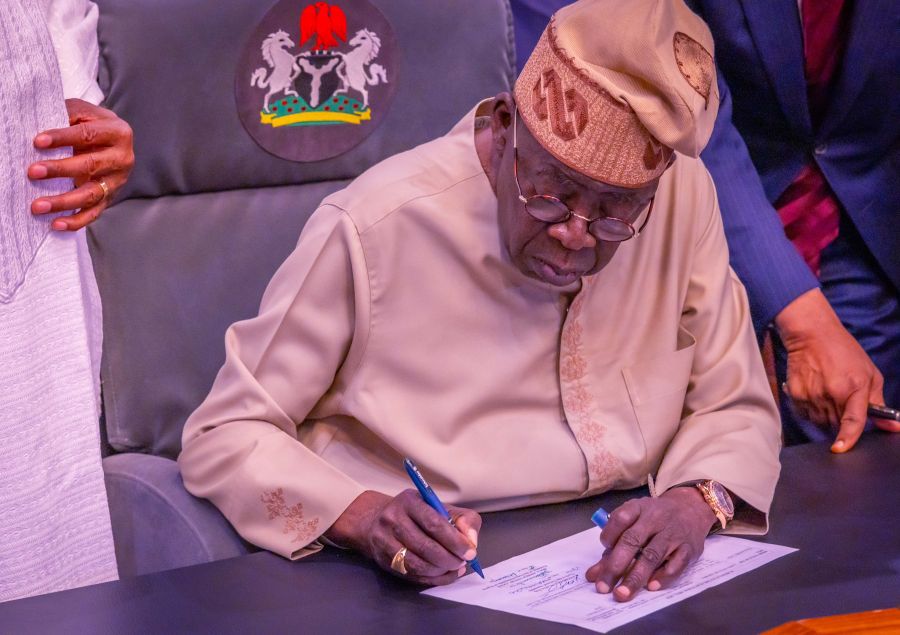
President Bola Ahmed Tinubu signed the Appropriation (Amendment) (No.4) Bill, 2025 into law on Wednesday, extending the implementation deadline from Sept. 30 to Dec. 31, according to the State House.
The National Assembly passed the amendment a day earlier.
The three-month extension means projects and spending commitments originally authorised under the 2025 capital budget can continue to be implemented well into the 2026 fiscal year.
The government says the measure is intended to give ministries, departments and agencies (MDAs) more time to complete ongoing capital projects and ensure that money already appropriated is fully utilised.
But the repeated extensions also highlight a persistent problem in Nigeria’s public finances: budgets are being carried forward because projects and appropriated spending are not being completed within the period for which they were originally approved.
The latest extension is the fourth adjustment to the implementation deadline of the 2025 capital budget.
The original deadline was Dec. 31, 2025. It was subsequently moved to March 31, June 30 and Sept. 30, 2026 before Wednesday’s extension to Dec. 31.
A budget that keeps rolling over
The development is significant because the government had previously pledged to end the practice of overlapping budget cycles.
When presenting the 2026 budget in December 2025, Tinubu said his administration wanted to move away from multiple budgets being implemented at the same time, describing the accumulation of inherited obligations and repeated rollovers as a problem for fiscal discipline and planning.
The latest extension shows the difficulty of achieving that reset in practice.
Nigeria is now in 2026, with a separate 2026 budget already in force, while capital projects and obligations approved under the 2025 budget remain eligible for implementation.
The 2026 Appropriation Act, signed in April, provides for total expenditure of 68.32 trillion naira, including 32.2 trillion naira for capital expenditure.
At the same time, the government is keeping the 2025 capital framework open for another three months.
That does not create a new 2025 appropriation.
Rather, it extends the legal period within which existing capital allocations can be implemented.
Senate Leader Opeyemi Bamidele said the amendment was necessary because implementation of the 2025 capital budget had not reached optimal levels despite releases to MDAs.
The State House said the extension would allow MDAs to complete ongoing projects and avoid disruption to critical programmes.
The legislative argument is similar: extending the deadline protects public investments already under way and gives agencies additional time to use funds that have already been appropriated.
But repeated extensions also raise questions about how accurately annual budgets reflect the government’s actual capacity to execute projects within a given fiscal year.
Each extension effectively moves the point at which policymakers must account for incomplete capital programmes.
That makes the issue more than a technical change to a budget law.
It goes to the credibility of Nigeria’s budget timetable, project planning and expenditure management.
The implementation gap
Nigeria’s budget process has for years been marked by delays in capital spending, with governments routinely extending implementation periods to allow unfinished projects to continue.
The pattern was also evident before the latest extension. In April, when Tinubu assented to an earlier extension of the 2025 capital budget, the Presidency said the measure was needed to consolidate ongoing works, improve project completion rates and maximise value from public expenditure.
X-@theGBJournal|email:gbj@govbusinessjournal.com|govandbusinessj@gmail.com