


…Policy Imperatives Following the Suspension of the 15% Import Duty on Petroleum Products
By Muda Yusuf
MON NOV 17 2025-theGBJournal|Nigeria is at a decisive moment in its efforts to secure energy independence, deepen industrialization, and reduce vulnerability to external shocks.
The Federal Government’s suspension of the 15% import duty on petrol and diesel carries profound implications for domestic refining, investment confidence, macroeconomic stability, and the long-term competitiveness of the petroleum downstream sector.
This brief evaluates the economic and strategic consequences of the suspension and outlines policy options that balance immediate consumer concerns with Nigeria’s long-term national interest.
Why the Import Duty Was Introduced
The 15% import duty served as an industrial protection instrument designed to:
-Support emerging private refineries
-Promote backward integration and industrial development
-Ensure a level playing field for domestic producers
-Conserve scarce foreign exchange
-Protect jobs and stimulate local value addition
-Reduce exposure to global supply instability
-Encourage long-term investments in refining and petrochemicals
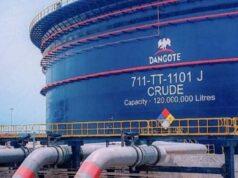
Investors—including the Dangote Refinery and modular refinery operators—made multi-billion-dollar commitments based on policy stability and the assurance of an environment that rewards local production.
Suspending the duty undermines this protective framework and exposes domestic refiners to inequitable competition from importers benefiting from vastly superior international conditions.
Threat to Domestic Refining Investments
Local refiners operate within a high-cost environment shaped by:
-Expensive energy and self-generation
-Infrastructure gaps and logistics bottlenecks
-High cost of capital
-Security-related risks
-Inefficiencies in ports and transport systems
These structural disadvantages make parity with imported products impossible without protective measures.
Risk to National Energy Independence
Nigeria’s long-term development priorities include:
-Domestic refining
-National self-sufficiency in petroleum products
-Strategic energy security
Reverting to heavy import dependence reopens vulnerabilities to global price volatility, geopolitical disruptions, and supply insecurity—the same conditions that previously collapsed public refineries and created a fiscally ruinous subsidy regime.
Increased Pressure on Foreign Exchange
Petroleum importation is one of Nigeria’s largest consumers of FX. Increased imports will:
-Heighten pressure on the naira
-Fuel inflation through exchange-rate pass-through
-Deepen balance-of-payments deficits
-Undermine macroeconomic stability
Loss of Jobs and Industrial Value Chains
Domestic refining stimulates broad value-chain activities in:
-Petrochemicals
-Plastics
-Logistics and transport
-Engineering services
-Fabrication and construction
Unrestrained importation effectively exports these jobs and opportunities to foreign economies.
Erosion of Investor Confidence
Frequent policy reversals weaken investor sentiment across:
-Refining and downstream operations
-Domestic manufacturing
-Financial institutions
-Global investment partners
Undermining confidence at this stage threatens the viability of transformational national assets such as the Dangote Refinery and modular refineries.
The Economics of Fair Competition: Why Protection Is Justified
Fair competition requires comparable operating conditions. Nigerian refiners face:
-Infrastructure deficits
-Higher finance costs
-Insecure operating environments
-Elevated logistics costs and demurrage
-Weak transport and storage systems
Importers face none of these disadvantages. Without protective measures, domestic refiners operate at a structural disadvantage.
Global Evidence
Every major economy protects strategic industries.
-U.S.: steel, agriculture, aviation, energy
-EU: manufacturing, agriculture, pharmaceuticals
-India: refining and petrochemicals
-China: comprehensive industrial policy to protect local capacity
Nigeria already maintains an Import Adjustment Tax List for strategic sectors such as agro allied, cement, sugar, steel, pharmaceuticals, and automobiles. Extending similar protection to domestic refining is both logical and necessary.
Domestic Refining and Price Stability: A False Dichotomy
Strengthening refining capacity and moderating fuel prices are not mutually exclusive.
With the right policy mix—including fiscal incentives, logistics support, transparent pricing, and guided importation—Nigeria can achieve both goals simultaneously.
Domestic refining, over the long term, reduces costs by limiting:
-FX exposure
-Import-related logistics
-Premiums associated with global volatility
Refining Capacity and Supply Management
While domestic refineries are expected to meet national demand within a short horizon, temporary supply gaps should be addressed not by dismantling protective measures but through guided, quota-based importation to supplement domestic output.
Policy Options and Recommendations
Reinstate the 15% Import Duty. Reinstatement is essential to restoring competitive balance and safeguarding domestic refining investments.
Provide Targeted Production and Infrastructure Incentives
Support options include:
-Reduced port charges and logistics costs
-Tax credits or rebates for domestic refiners
-Guaranteed crude supply agreements
-Access to moderated FX for essential inputs
-Investment in pipeline and storage infrastructure
Strengthen Policy Predictability
A stable, multi-year industrial protection framework under the Nigeria First Policy is necessary to reassure investors and support long-term planning.
Intensify Market Monitoring
Government should strengthen monitoring mechanisms to track:
-Domestic production capacity
-Pricing patterns
-Import volumes and compliance
-Competitive behavior
-Market distortions
This protects consumers while preserving industry integrity.
Conclusion
Nigeria must avoid short-term measures that jeopardize long-term national interests. The suspension of the 15% import duty puts at risk:
-Energy security
-Industrialization
-Foreign exchange stability
-Job creation
-Backward integration
National economic sovereignty
Protecting domestic refining capacity is an urgent national imperative. Reinstating protective measures, supporting local refiners, ensuring policy predictability, and regulating import volumes are essential steps toward securing Nigeria’s industrial future.
The Dangote Refinery and emerging modular refineries are transformative national assets. Safeguarding them aligns squarely with Nigeria’s long-term economic and strategic goals.
Muda Yusuf is the Chief Executive Officer, Centre for the Promotion of Private Enterprise (CPPE).
X-@theGBJournal|Facebook-the Government and Business Journal|email:gbj@govbusinessjournal.com|govandbusinessj@gmail.com