

THUR JAN 15 2026-theGBJournal| Nigeria topped the rest of Sub-Saharan Africa as leading destination for upstream capital investment in 2025, attracting $5.3 billion, despite an 18% decline across the broader region, according to data from Wood Mackenzie on Nigeria’s oil and gas investment landscape.
Across the Sub-Saharan Africa region, only two FIDs were recorded across in 2025, Nigeria secured one.
The Shell–Sunlink HI Field (OML 144), a shallow-water non-associated gas project, reached FID following Nigeria’s Non-Associated Gas (NAG) incentives issued in 2024, restoring commercial viability and unlocking critical gas feedstock for NLNG.
For context, between 2015–2023, Nigeria captured just 4% ($5 billion) of sanctioned African FIDs (6 of 44 projects).
Over the last two years, Nigeria has secured 38% ($8 billion), 5 of 8 projects across the continent, underscoring the positive impact of recent reforms in the country’s oil and gas sector.
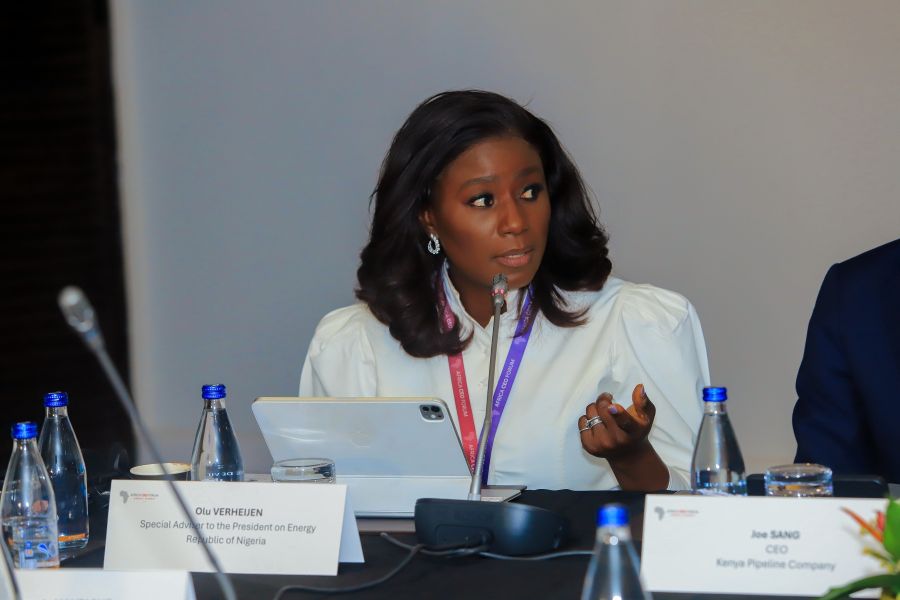
”This turnaround reflects the impact of decisive reforms over the past 24 months,” says Olu Verheijen, Special Adviser to the President on Energy.
Verheijen adds that Nigeria now offers among the most competitive deep-water fiscal terms globally and the most attractive gas terms in Africa.
”Looking ahead to 2026, we expect additional FIDs supported by targeted incentives and a stable, investor-focused policy framework,” Verheijen said.
In Wood Mackenzie’s view, Nigeria now offers among the most competitive deep-water fiscal terms in Africa.
Meanwhile, the broader sub-Saharan African upstream sector faced headwinds in 2025, with total capital expenditure declining 18% year-over-year.
Congo, Mozambique, Uganda, Cote d’Ivoire, Ghana and Gabon also captured significant upstream capital expenditure in the neighborhood of US$500 million.
Nigeria and Angola accounted for much of the upstream spending. Both countries have benefitted from decades of oil and development, extensive existing infrastructure, and proximity to key export market.
Wood Mackenzie expects that Nigeria will see additional FIDs, supported by targeted incentives and a stable, investor-focused policy framework in 2026.
X-@theGBJournal|Facebook-the Government and Business Journal|email:gbj@govbusinessjournal.com|govandbusinessj@gmail.com