


TUE JULY 01 2025-theGBJournal| The Nigerian Content Development and Monitoring Board (NCDMB) has unveiled a restructured approach to its N50 billion Community Contractors Financing Scheme — a key component of the Nigerian Content Intervention (NCI) Fund.
Originally launched in 2018 to support indigenous contractors from oil-producing host communities, the Community Contractors Fund had recorded little traction until recent efforts under the current Executive Secretary, Engr. Felix Omatsola Ogbe set the scheme on a path to revival.
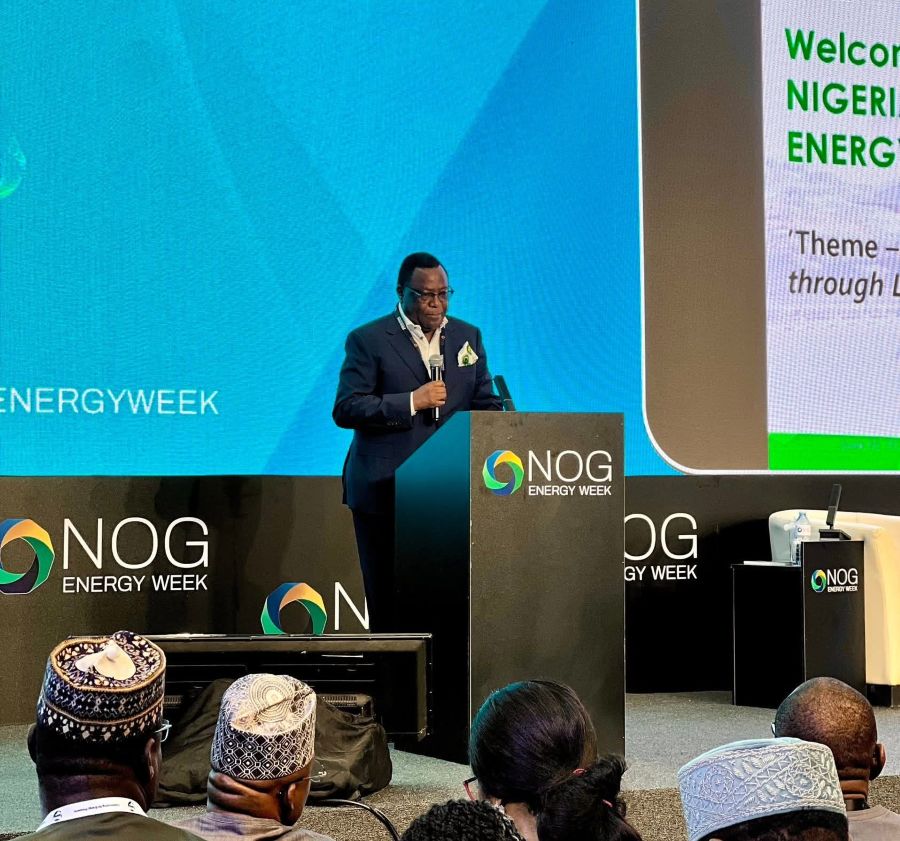
Moderating a session on Deepening Community Participation Through Accessible Financing at the the ongoing NOG Energy Week in Abuja, NCDMB’s General Manager, Corporate Communications, Dr. Obinna Ezeobi, noted that while other products under the NCI Fund have performed remarkably well, the Community Contractors Fund had lagged behind.
He attributed the renewed focus on the scheme to the Executive Secretary’s personal commitment to grassroots empowerment.
General Manager, Nigerian Content Development Fund, Ms. Fatima Mohammed noted that new features had been introduced to the fund.
The restructured fund allows for increased borrowing limits — up to N100 million for community contractors in the oil and gas industry, with single digit interest rate per annum. Beneficiaries must be verified community contractors with valid projects for international or indigenous oil and gas companies.
The Board also introduces simplified collateral terms, and plans to carry out extensive sensitization programmes, with disbursements expected in the coming months.
She added: “We want to see host communities actively participate in the oil and gas ecosystem. After a comprehensive review, we discovered that the centralised structure of the scheme was limiting its effectiveness. We’ve now decentralised it through the involvement of Performing Financial Institutions (PFIs),” she said.
Speaking on the panel, the Bank of Industry’s Head of Oil and Gas, Mr. Gabriel Yemidale, acknowledged past challenges in implementing the scheme but expressed optimism about the renewed collaboration between BOI, NCDMB, and selected PFIs such as FCMB.
“We didn’t abandon the scheme. What was missing was alignment. With FCMB now on board and funds already allocated, we expect much better reach at the grassroots. BOI will also ensure monthly loan performance reports and quarterly visits to beneficiaries to monitor impact,” Yemidale said.
FCMB’s Head of SME Assets, Oluremi Agboola, described the bank as a “go-to partner” for SME financing and affirmed its readiness to drive the fund’s success.
“We would likely revisit our interest rates to make the product more affordable — thanks to the ES’s impact-driven push. We are also offering financial literacy, monitoring and evaluation training, and business support through the FCMB Business Zone,” Agboola noted.
Another information was that eligibility is limited to the firms with N500,000 annual turnover, to ensure participation and impact on small contractors.
Another member of the panel, Director of Corporate Strategy and Planning,Trexim Holdings, Mr Olumide Odewole, emphasised the importance of sustainability and long-term results.
“We must build a framework that guarantees impact — through quality delivery, governance structures, and training. That’s how we build a resilient supply chain in the sector,” he said.
The revamped scheme marks a renewed commitment by NCDMB to close funding gaps in the sector and ensure that oil-producing communities are not just stakeholders in name, but active participants in Nigeria’s energy economy.
X-@theGBJournal|Facebook-the Government and Business Journal|email:gbj@govbusinessjournal.com|govandbusinessj@gmail.com