
FRI SEPT 04 2026-theGBJournal| Nigeria is set to regain its place in the global frontier-market investment universe, with 10 of its leading listed companies selected for inclusion in the FTSE Frontier Index Series from September 21, 2026.
The move marks a significant reversal for Nigeria’s capital market after three years in the wilderness and could improve the visibility of Nigerian equities among international fund managers tracking frontier-market benchmarks.
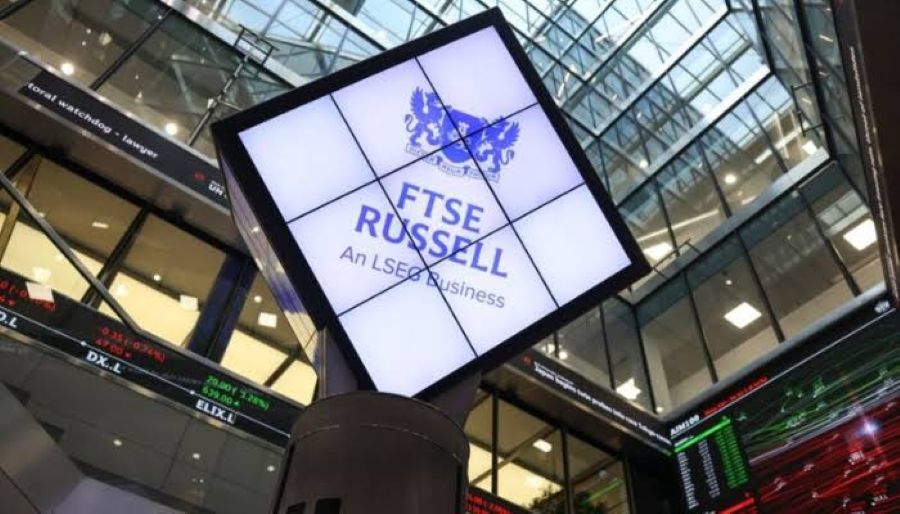
The inclusion was confirmed in FTSE Russell’s September Index Review, following the index provider’s decision to move Nigeria out of its previous “Unclassified Market” status and restore the country to the official Frontier Market classification.
The 10 Nigerian companies designated by FTSE Russell as “Newly Eligible” large-cap stocks are:
-Aradel Holdings
-Dangote Cement
-First HoldCo
-Guaranty Trust Holding Company
-MTN Nigeria Communications
-Nestlé Nigeria
-Nigerian Breweries
-Presco
-Stanbic IBTC Holdings
-Zenith Bank
Their inclusion places some of Nigeria’s largest and most actively traded companies back on an internationally recognised benchmark used by global investors to assess frontier-market performance.
The FTSE Frontier Index Series tracks large-, mid- and small-cap companies across frontier and emerging markets. Its benchmarks are widely used by international asset managers as tools for measuring market performance, allocating portfolios and developing index-linked investment products.
The reclassification could potentially broaden the pool of international investors able to consider Nigerian equities, particularly funds whose investment mandates are tied to recognised frontier-market indices.
Three years after Nigeria’s downgrade
Nigeria’s return comes nearly three years after FTSE Russell removed the country from its market classifications in September 2023.
At the time, Nigeria was downgraded to “Unclassified Market”, with FTSE Russell citing severe foreign-exchange illiquidity and persistent difficulties faced by foreign institutional investors seeking to repatriate capital and dividend earnings.
The downgrade came as foreign investors struggled to access sufficient foreign exchange and exit the Nigerian market without lengthy delays, raising concerns about the investability and accessibility of Nigerian securities.
The consequences extended beyond the classification itself, as Nigeria’s exclusion reduced its visibility within global investment benchmarks and made it more difficult for some institutional investors to gain exposure to the country through frontier-market mandates.
FX reforms pave the way back
The process of rebuilding Nigeria’s market accessibility gained momentum in October 2025, when FTSE Russell placed the country on its Watch List following improvements in foreign-exchange liquidity and mechanisms for repatriating investment proceeds.
The latest reclassification suggests that those improvements have been sufficient for FTSE Russell to restore Nigeria to the frontier-market universe.
The return is particularly significant for the Nigerian equities market, where policymakers and regulators have been seeking to rebuild foreign investor confidence, deepen market liquidity and strengthen the mechanisms through which international investors can enter and exit the market.
The 10 companies selected for the index are among the most prominent names on the Nigerian Exchange and span key sectors including banking, telecommunications, cement, consumer goods, agriculture and energy.
Their inclusion could increase international attention on Nigeria’s equities market and provide a fresh channel for foreign portfolio flows, although the scale of any potential inflows will depend on fund mandates, index-tracking strategies and broader investor confidence in Nigeria’s economic and foreign-exchange outlook.
Nigeria’s return to FTSE Russell’s frontier-market classification therefore represents a crucial milestone in the country’s effort to re-establish itself as an investable destination for global capital — three years after FX constraints pushed it to the sidelines.
X-@theGBJournal|email:gbj@govbusinessjournal.com|govandbusinessj@gmail.com