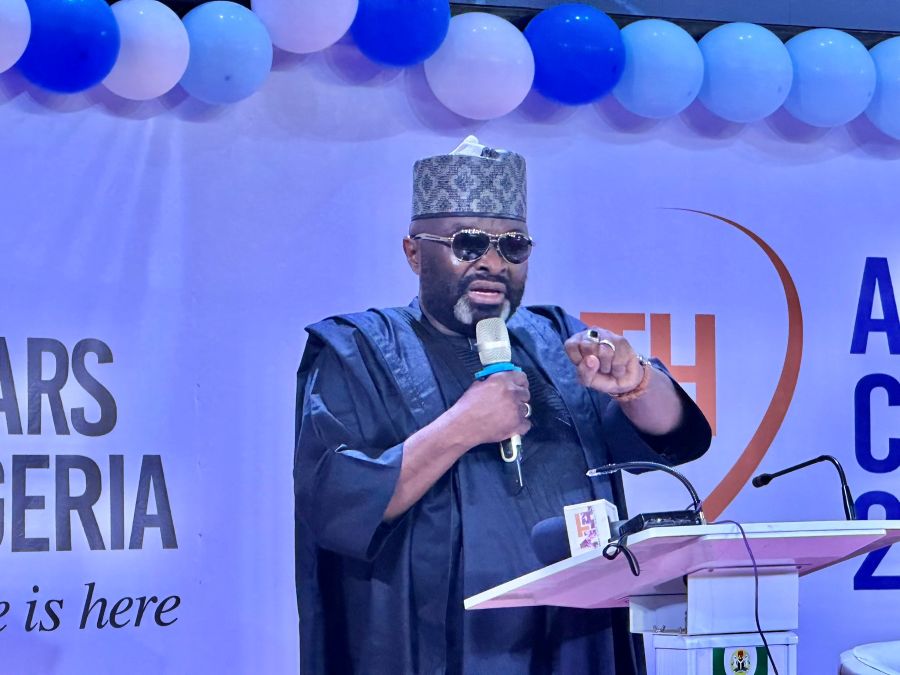


WED SEPT 02 2026-theGBJournal| The 13th Annual International Conference of the Association of Communication Scholars and Professionals of Nigeria (ACSPN) provided a platform for robust discussions on the future of elections in Africa, as the Independent National Electoral Commission (INEC) outlined far-reaching measures to safeguard the credibility of Nigeria’s 2027 General Election in an era of digital disruption and artificial intelligence.
The conference, themed “Media, Technology and Elections in Africa: Navigating Digital Disruption and the New Dynamics of Electoral Communication,”
Delivering the keynote address on behalf of the Chairman of INEC, Prof. Joash Amupitan, SAN, National Commissioner Prof. Sani Muhammad Adam, disclosed that the Commission has commenced comprehensive preparations for the 2027 General Election, including a full audit of its electoral technology infrastructure, system redundancy assessments, penetration testing, disaster recovery planning, and the possibility of conducting a mock presidential election to stress-test its systems before Nigerians head to the polls.
According to him, lessons from the 2023 General Election demonstrated that while innovations such as the Bimodal Voter Accreditation System (BVAS) and the INEC Result Viewing (IReV) Portal significantly enhanced transparency, technology alone cannot guarantee public trust unless it performs reliably and is backed by timely, honest, and effective communication.
He announced that INEC is developing a rapid-response digital communication strategy capable of detecting, verifying, and countering misinformation in real time.
The Commission also plans to strengthen partnerships with communication scholars, universities, media organisations, fact-checkers, technology companies, and civil society groups to build a resilient electoral information environment.
Also speaking at the conference, ACSPN National President, Professor Rotimi Williams Olatunji, called for an integrated electoral information integrity framework involving INEC, political parties, media organisations, technology platforms, civil society, and academia.
He stressed that protecting electoral integrity requires stronger fact-checking mechanisms, AI-content detection, responsible political communication, and improved media literacy among citizens.
Also delivering a keynote address, the Director-General of the National Orientation Agency (NOA), Mallam Lanre Issa-Onilu, warned that AI-generated misinformation and manipulated digital content could significantly undermine public confidence ahead of the 2027 elections if left unchecked.
He urged stakeholders to promote responsible digital citizenship and strengthen public awareness to ensure Nigerians can distinguish facts from fabricated information.
A major highlight of the conference was the presentation of a Plaque of Honour to the Chairman of INEC, Prof. Joash Amupitan, SAN, in recognition of the Commission’s contributions to strengthening democratic governance and electoral integrity in Nigeria.
The award was received on his behalf by National Commissioner, Prof. Sani Muhammad Adam, SAN.
The Conference brought together communication scholars, media professionals, policymakers, election administrators and technology experts to deliberate on emerging threats and opportunities shaping electoral communication across the continent.
X-@theGBJournal|email:gbj@govbusinessjournal.com|govandbusinessj@gmail.com