
By Mr. Igwebuike Okoh
SAT MAY 16 2026-theGBJournal| Nigeria stands today at a political crossroads ahead of the 2027 presidential election, with three dominant figures representing three very different futures for the nation: President Bola Ahmed Tinubu, former Vice President Atiku Abubakar, and former Anambra State Governor Peter Obi.
The election will not simply be a contest of personalities, but a national decision about what kind of economic system, security structure, and citizenship experience Nigerians want for themselves.
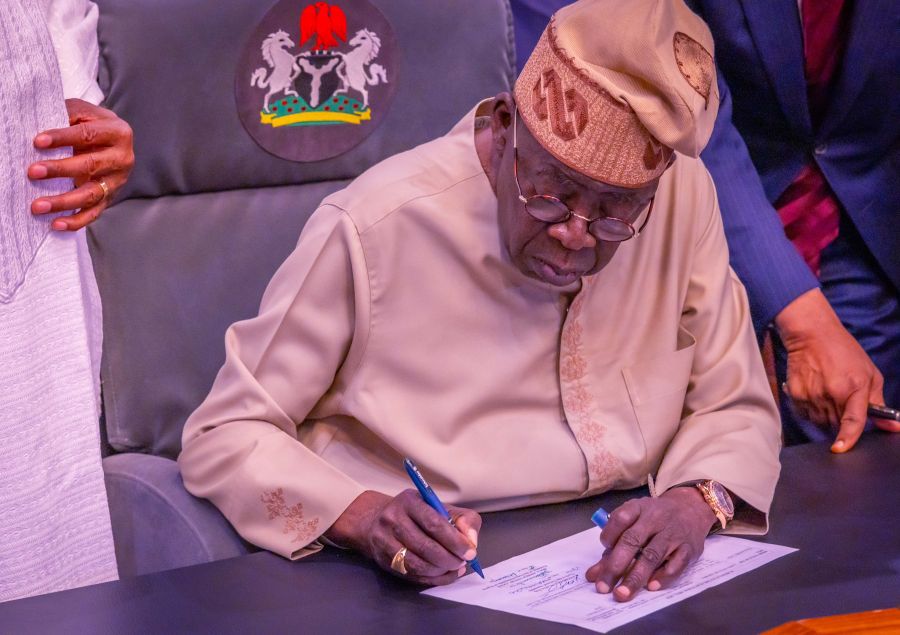
President Bola Ahmed Tinubu represents continuity, political structure, and aggressive economic reform.
Since assuming office in 2023, his administration has pursued bold policies such as fuel subsidy removal, exchange-rate unification, and fiscal restructuring.
International financial institutions have praised these reforms for attempting to stabilize Nigeria’s economy and restore investor confidence. Yet the immediate impact on ordinary Nigerians has been painful, with rising inflation, increased cost of living, and growing public frustration.
Supporters believe Tinubu is confronting economic realities previous leaders avoided, arguing that temporary hardship may eventually produce long-term stability and growth. Critics, however, fear that reforms without sufficient social protection could deepen poverty and widen inequality.
On security, Tinubu’s government has invested heavily in military coordination and centralized federal security operations, but insecurity remains a major challenge across several regions of the country.
A second Tinubu term would likely continue this approach of economic restructuring tied closely to national security management. To many Nigerians, Tinubu symbolizes experience and political strength, though opponents argue that his administration reflects the continuation of elite-driven politics and entrenched power structures.
Peter Obi enters the political conversation as a reform-minded alternative who appeals strongly to young Nigerians, urban professionals, and citizens frustrated with traditional politics.
His message centers on accountability, prudence, production-driven economics, and reducing government waste. Obi argues that Nigeria must move “from consumption to production,” emphasizing investment in education, healthcare, agriculture, and small businesses.
Supporters believe an Obi presidency could improve transparency, reduce corruption, and restore public confidence in governance. Many also see him as a symbol of merit, discipline, and a break from the old political order.
However, questions remain about whether Obi possesses the nationwide political machinery and elite alliances necessary to govern effectively in Nigeria’s complex federal system. While his supporters view him as a transformational leader capable of rebuilding institutions, critics argue that idealism alone may not overcome the realities of Nigerian politics and entrenched interests.
On security, Obi favors a more intelligence-driven and socio-economic strategy, linking unemployment and poverty directly to crime and instability. His approach suggests that reducing economic hardship could also reduce insecurity and social unrest.
Atiku Abubakar, on the other hand, represents experience in coalition politics and a long-standing belief in economic liberalization and restructuring. His supporters point to his business background and role during Nigeria’s reform era in the early 2000s as evidence that he understands investment, privatization, and economic expansion.
Atiku has consistently advocated restructuring Nigeria’s federation, granting more powers to states, and introducing state policing to address insecurity more effectively at the local level.
For many Nigerians, this vision of decentralization could strengthen governance and improve regional accountability. Yet critics remain skeptical of his privatization philosophy, fearing it may primarily benefit political and business elites rather than ordinary citizens.
Others believe his candidacy reflects a return to the old political establishment at a time when many citizens are demanding generational change and a new political culture.
Ultimately, the 2027 election presents Nigerians with three broad choices. Tinubu offers continuity and difficult reforms aimed at long-term economic restructuring. Obi offers reformist disruption, transparency, and a citizen-centered style of governance. Atiku offers restructuring, privatization, and experienced coalition leadership.
The deeper question for Nigerians is not simply who becomes president, but what direction the country should take.
Should Nigeria continue on the path of tough economic reforms under a strong political structure? Should it pursue a more reform-driven, accountability-focused leadership model? Or should it embrace restructuring and decentralization as the solution to economic and security challenges?
Whichever candidate eventually wins, the true judgment will come not from campaign promises or political speeches, but from whether ordinary Nigerians can feel safer, live better lives, afford basic necessities, trust their institutions, and regain confidence in the idea of Nigerian citizenship itself.
..Mr. Igwebuike Okoh, Cologne Germany
X-@theGBJournal|Facebook-the Government and Business Journal|email:gbj@govbusinessjournal.com|govandbusinessj@gmail.com