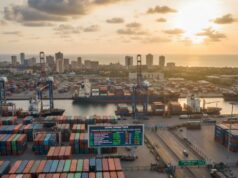


…The current surge in global energy prices—largely triggered by geopolitical tensions in the Middle East—once again highlights the vulnerability of businesses and economies to external shocks in global energy markets
By Dr. Muda Yusuf
SUN MAR 15 2026-theGBJournal| The current surge in global energy prices, driven by escalating geopolitical tensions in the Middle East, has intensified cost pressures for businesses across many economies.
In Nigeria, the impact is especially severe because enterprises depend heavily on petrol and diesel to power their operations amid persistent electricity supply challenges, while also facing rising transport and distribution costs due to higher energy prices.
The combined effect is a significant escalation in operating expenses, mounting pressure on profit margins, and heightened risks to business sustainability, particularly for small and medium enterprises.
Businesses are already contending with multiple macroeconomic pressures including high inflation, elevated interest rates and weak consumer purchasing power. The latest escalation in energy costs therefore compounds an already challenging operating environment.
Without deliberate adjustments by businesses and supportive policy interventions from government, rising energy costs could significantly erode profit margins, weaken business sustainability and dampen economic growth.
Against this backdrop, the Centre for the Promotion of Private Enterprise (CPPE) outlines key strategic measures that both businesses—particularly small and medium enterprises (SMEs)—and government should adopt to mitigate the impact of the current energy crisis.
Strategic Responses for Businesses and SMEs
Strengthening Energy Efficiency
Improving energy efficiency remains the quickest and most cost-effective strategy for businesses to manage rising energy costs.
Firms should undertake a comprehensive review of their energy consumption patterns with the objective of minimizing waste and maximizing productivity per unit of energy used.
Businesses should intensify efforts to improve energy efficiency within their operations as a key strategy for managing rising fuel costs. This includes optimising generator operating hours, deploying energy-efficient machinery and equipment, strengthening internal energy management practices, and promoting energy conservation among staff.
Even relatively modest improvements in energy efficiency can yield significant reductions in fuel consumption and operating expenses, thereby helping to cushion the impact of escalating energy prices on business sustainability.
Diversifying Energy Sources
The current crisis highlights the strategic importance of energy diversification. Nigerian businesses remain excessively dependent on diesel and petrol generators for electricity generation.
This exposes firms to significant fuel price volatility.
Businesses should therefore gradually explore alternative energy solutions such as solar power systems, hybrid energy systems combining solar with generators, and gas-powered generators in locations where gas infrastructure is available.
While the upfront investment cost may appear significant, the long-term savings from renewable and hybrid energy solutions are becoming increasingly compelling in the face of persistently high fuel prices.
Improving Logistics and Supply Chain Efficiency
Energy price shocks often transmit strongly through logistics and transportation costs. Businesses should therefore review their logistics operations with a view to improving efficiency and reducing fuel consumption.
Strategies such as consolidating deliveries, optimizing transport routes, improving fleet management systems and leveraging shared logistics platforms can significantly reduce transportation costs. Increased adoption of digital platforms and remote transactions can also reduce the need for physical movement, thereby lowering energy expenditure within supply chains.
Adopting Flexible Pricing and Cost Management Strategies
Businesses may need to review their pricing structures to reflect rising operating costs. However, price adjustments must be carefully calibrated in order to avoid losing customers in an already fragile consumer market.
Gradual price adjustments, improved product value propositions and innovative packaging strategies—such as smaller product sizes or product redesign—can help firms remain competitive while managing cost pressures.
Strengthening Cash Flow and Financial Management
Periods of energy price volatility often create liquidity pressures for businesses, especially SMEs with limited financial buffers.
Firms should therefore strengthen financial management practices by minimizing non-essential expenditures, improving inventory management and renegotiating supplier payment terms where feasible.
Maintaining adequate liquidity buffers will help businesses withstand temporary cost shocks and maintain operational stability.
Leveraging Cluster-Based Solutions
Businesses operating within industrial clusters can significantly reduce operating costs through shared infrastructure arrangements. Shared power generation systems, shared logistics services and shared warehousing facilities can create economies of scale that reduce both energy and logistics costs.
Collaborative arrangements among SMEs can therefore play an important role in improving operational efficiency and resilience during periods of cost shocks.
Policy Priorities for Government
Expanding Incentives for Renewable Energy
Government should expand fiscal and regulatory incentives that encourage businesses to adopt renewable energy solutions.
This may include tax incentives for solar installations, import duty waivers for renewable energy equipment and fiscal support for investments in energy-efficient technologies.
Such measures would help reduce the structural energy cost burden faced by Nigerian businesses.
Providing Affordable Financing for Energy Transition
Access to affordable financing remains one of the major barriers preventing SMEs from investing in alternative energy systems.
Government, development finance institutions and commercial banks should therefore create dedicated financing windows to support investments in renewable energy solutions and energy-efficient equipment.
Reducing the cost of financing will accelerate the transition to cleaner and more affordable energy systems for businesses.
Strengthening Domestic Refining Capacity
Domestic refining is a critical pillar of Nigeria’s energy security and an important buffer against volatility in the global energy market.
Expanding local refining capacity and ensuring a stable and predictable supply of crude oil to domestic refineries are essential for strengthening the resilience of the country’s petroleum products market.
A well-functioning domestic refining ecosystem can help moderate the transmission of global supply disruptions into the domestic economy.
Beyond supply security, domestic refining also has significant macroeconomic benefits. By reducing the country’s dependence on imported petroleum products, local refining lowers the demand for foreign exchange used for fuel imports, thereby easing pressure on the exchange rate and improving Nigeria’s balance of trade.
Over time, a strong domestic refining base can also support export opportunities for refined products within the African region, further strengthening external reserves and Nigeria’s position in regional energy markets.
Improving Electricity Supply Reliability
The most sustainable solution to Nigeria’s high energy cost environment lies in improving the reliability and availability of grid electricity. Government therefore needs to intensify efforts to expand electricity generation capacity, strengthen transmission infrastructure, and enhance the efficiency and financial viability of electricity distribution networks across the country.
A more reliable electricity supply would significantly reduce the heavy dependence of businesses on diesel and petrol generators, which currently constitute a major component of operating costs. Improving power sector performance would therefore lower production costs across the economy, enhance business competitiveness, and provide much-needed relief for small and medium enterprises.
Conclusion
The current surge in global energy prices—largely triggered by geopolitical tensions in the Middle East—once again highlights the vulnerability of businesses and economies to external shocks in global energy markets.
For Nigerian businesses, resilience will depend on improving energy efficiency, diversifying energy sources, strengthening financial management and improving logistics efficiency. For government, the crisis underscores the urgency of accelerating reforms in electricity supply, renewable energy adoption and domestic refining capacity.
With the right combination of proactive business adaptation and supportive public policy, Nigeria can significantly mitigate the impact of the current energy price shock and strengthen the resilience and competitiveness of its business environment.
Dr. Muda Yusuf, Chief Executive Officer, Centre for the Promotion of Private Enterprise (CPPE)
X-@theGBJournal|Facebook-the Government and Business Journal|email:gbj@govbusinessjournal.com|govandbusinessj@gmail.com