
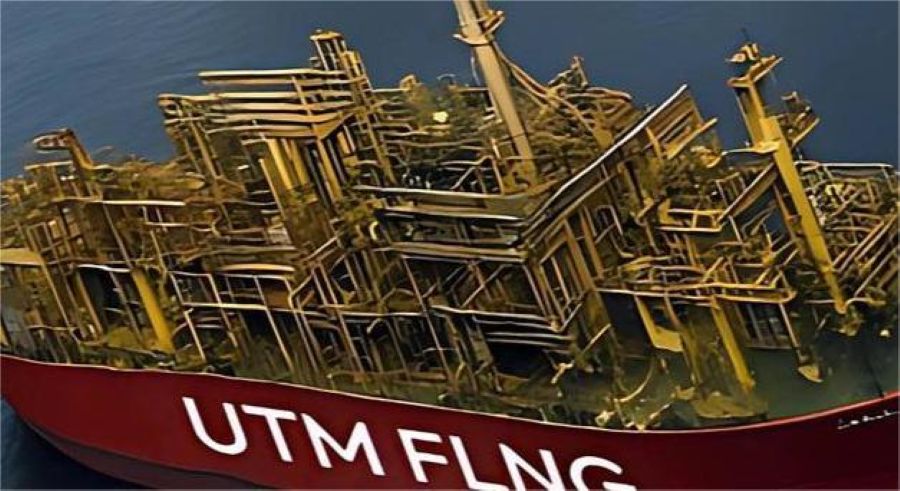

…In essence, Nigeria’s gas acceleration agenda is not just an energy story—it is a market-moving reform
By theG&BJournal
SAT FEB 21 2026-theGBJournal| Nigeria is intensifying push towards gas monetization through supply growth, Liquefied Natural Gas (LNG) expansion and downstream utilization.
The renewed push marks a pivotal shift in the country’s economic strategy, signalling a deliberate move to unlock value from its vast natural gas reserves and reduce overreliance on crude oil exports.
A 2026 gas master plan targets an additional 1.8 billion cubic feet per day (bcf/d) of supply, forming part of ambitions to reach 10 bcf/d by 2027 and 12 bcf/d by 2030, alongside more than $60 billion in sector investment.
Parallel rollout of mini-LNG and small-scale liquefaction projects is expanding gas access for off-grid industry, transport and distributed power – creating multiple entry points for midstream investors, technology providers and infrastructure financiers across the value chain.
As Africa’s largest proven gas holder, Nigeria is increasingly positioning gas as a transition fuel that can drive industrialisation, stabilise energy supply, and boost foreign exchange earnings.
For markets, this pivot suggests the emergence of a more diversified hydrocarbon revenue base, with implications for equities, fixed income, and currency stability.
For investors on the Nigerian Exchange Group, accelerated gas development could translate into stronger earnings prospects for upstream producers, midstream infrastructure firms, and energy-linked industrial companies.
Expanded investments in pipelines, processing plants, LNG facilities, and domestic distribution networks are likely to spur capital expenditure cycles, deepen local supply chains, and attract foreign direct investment.
Over time, this could strengthen corporate balance sheets, enhance market valuations, and broaden sectoral participation on the exchange.
Beyond equities, gas monetisation carries macroeconomic significance. Increased export capacity—particularly through liquefied natural gas—could improve external reserves, support the naira, and ease fiscal pressures if revenues are efficiently managed.
A more robust gas-to-power framework may also lower production costs for manufacturers, potentially moderating inflationary pressures and lifting overall productivity.
In essence, Nigeria’s gas acceleration agenda is not just an energy story—it is a market-moving reform with the potential to reshape growth expectations and investor sentiment.
X-@theGBJournal|Facebook-the Government and Business Journal|email:gbj@govbusinessjournal.com|govandbusinessj@gmail.com